Targeted reforms can transform land acquisition process
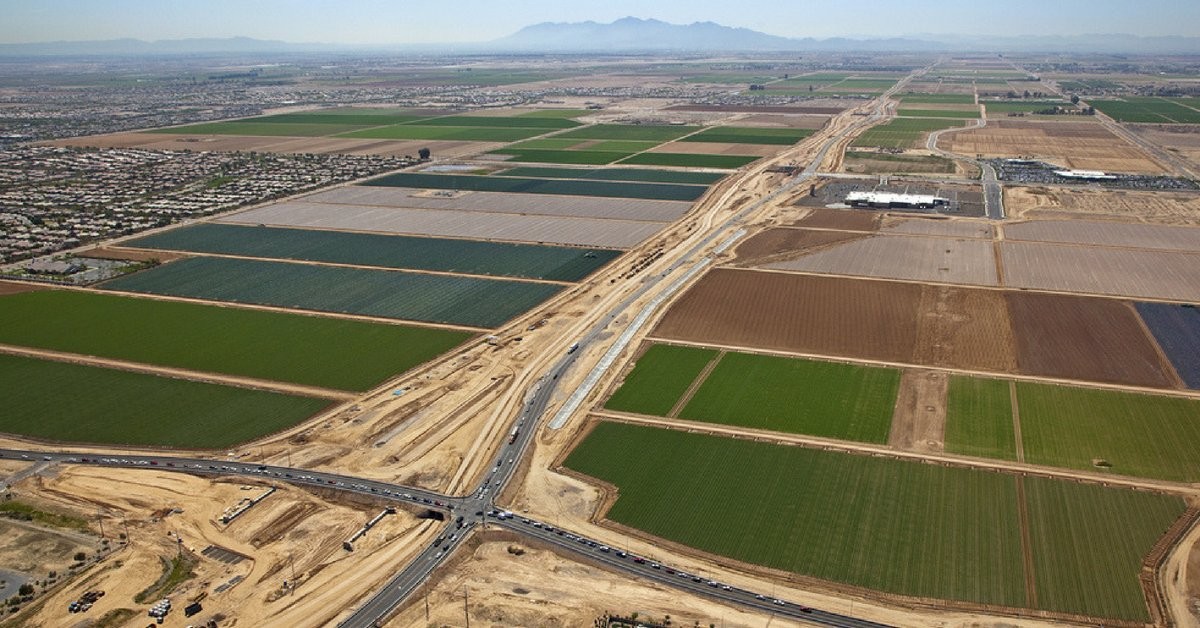
Originally published in Hindustan Times Land acquisition, a cornerstone of economic development, remains a contentious and inadequately addressed issue in Punjab. Despite its critical role in enabling infrastructure, housing, and industrial projects, the governance aspects and economic implications of land acquisition have often been overlooked. This neglect has resulted in significant policy gaps, exacerbating challenges […]

Read More »
PANJ Newsletter | Edition #2

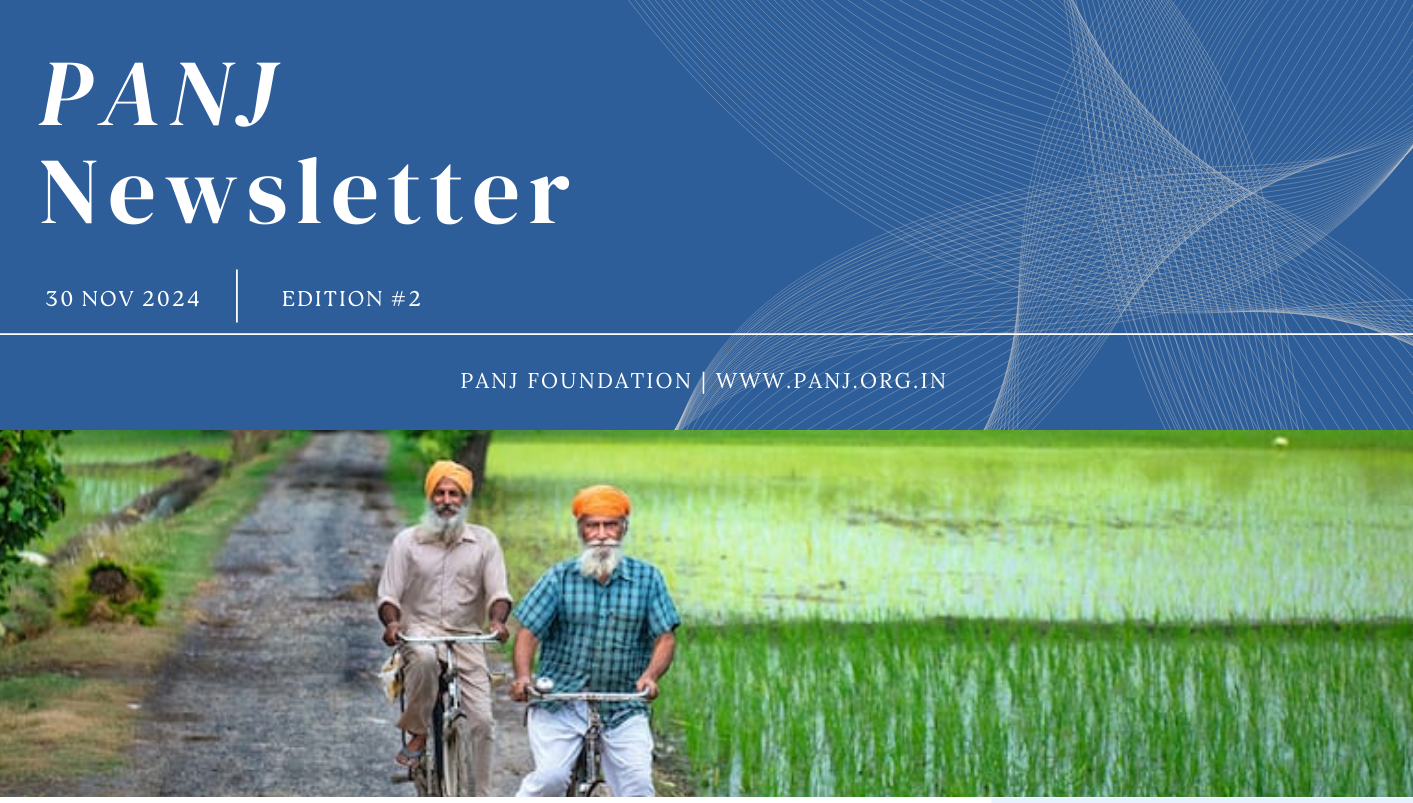
In the second edition of our newsletter we talk about the poor state of Punjab’s finances and persistent problem of stubble burning. In this edition, we are privileged to feature an interview with Dr. Jagwant Singh, where he shares his insights on the current state of higher education in Punjab. Download the newsletter here.

Read More »

How PPP model can propel Punjab’s economic growth

Originally published in The Tribune Public-Private Partnerships (PPPs) have the potential to revolutionise infrastructure development, and services delivery by blending private sector capital and expertise with public sector oversight. For Punjab, which has over 147 PPP projects worth ₹59,358 crore in critical sectors like roads, bridges, healthcare, and education, this model could be the key […]

Read More »

PANJ Primer | Municipalities in Punjab

Read our latest #PANJPrimer on municipalities in Punjab. This primer talks about the existing setup, presents comparison of different states on performance and spend of municipalities, and urbanisation in Punjab. Download the primer here.

Read More »

Debt Shadows: Punjab’s ‘Democracy before Development’ Paradox 

Inspired by the insights of economists like Böhm-Bawerk and von Mises on capital’s role at the intersection of economics and finance, a compelling framework for understanding fiscal challenges takes shape. This approach encourages synergies in economic decision-making and accounting practices, while also treating money as a social institution. When applied to Punjab’s fiscal crisis (a […]

Read More »

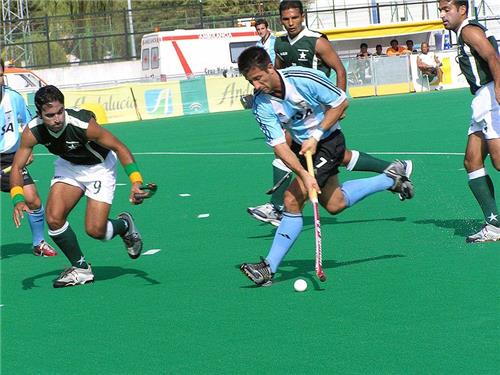
Why the ball is in Punjab’s court

Originally published on Babushahi.com Punjab is traditionally known for producing both, leading sportsmen and sports equipment. Sports like Kabaddi and Weightlifting originated in the “akhadas” of Punjab. From shuttlecocks and footballs to cricket bats, Jalandhar has developed as the epicenter of sports production in India. The recently concluded 2024 Olympics saw one of the highest […]

Read More »

PANJ Primer | State subsidies in Punjab

We are out with our latest #PANJPrimer on state subsidies in Punjab. Take a look at how have subsidies progressed in the state over the past five years and what this means for Punjab’s coffers. Download the primer here.

Read More »

PANJ Newsletter | Edition #1

We are excited to bring out a new issue of PANJ Foundation’s monthly newsletter. In our first edition, you will read a latest piece from our desk on future of sports in Punjab, a review on seminal research concerning Punjab, an interview with leading scholar on Punjab’s sports policy, and lastly quick recommendations on latest […]

Read More »

PANJ Primer | Punjab Draft Agricultural Policy 2023

The 2023 Punjab agriculture policy draft aims to tackle the state’s deep-seated agrarian challenges, drawing insights from earlier drafts in 2013 and 2018. Key initiatives include introducing a Punjab-specific crop insurance policy, promoting organic farming, and instituting a legal guarantee for the Minimum Support Price (MSP). The policy emphasizes structural reforms such as digitising land […]

Read More »

The Agricultural Crisis in Punjab: A Behavioural Economics Perspective

Punjab’s agricultural crisis is a ticking time bomb that threatens the very foundations of the state’s economy and the well-being of its people. As water tables plummet and soil fertility declines, the once-thriving breadbasket of India — Punjab — is now on the brink of an environmental and humanitarian disaster. An examination of Punjab’s agricultural […]

Read More »