Women at the Heart of Punjab’s STEM Future

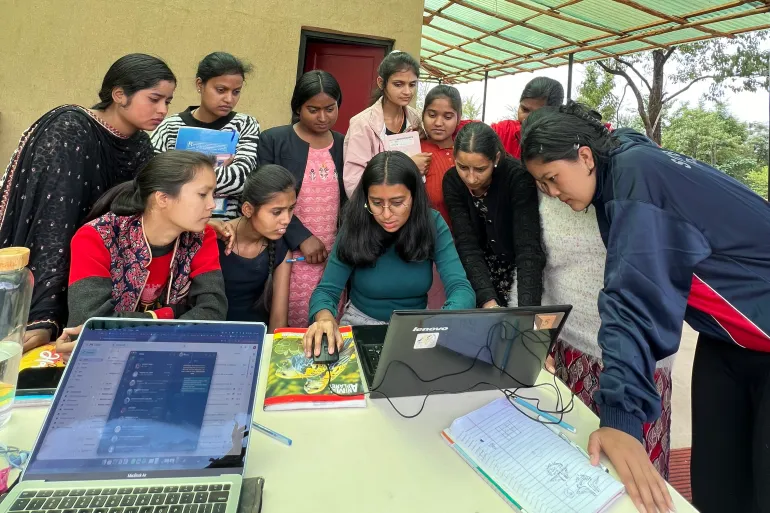
By: Manasvi Last year, a working paper titled ‘Relative Economic Performance of Indian States: 1960-61 to 2023-24’ prepared by the Economic Advisory Council to the PM highlighted that Punjab’s share in the GDP peaked at 4.4% percent during the 1960s because of the Green Revolution. But it has been declining since the 1990s and reached […]

Read More »

Beyond the Stitch: What the India–UK FTA Reveals About Global Order

Dharminder Singh Kaleka In a world where multilateralism is retreating and global legal coherence is fraying, the freshly inked India–UK Free Trade Agreement offers a telling glimpse into what the future of international cooperation might look like. While much has been said about the tariff reductions and sectoral openings, the deeper significance of this bilateral […]

Read More »

Aligning Punjab with the Emerging Logic of Climate Markets

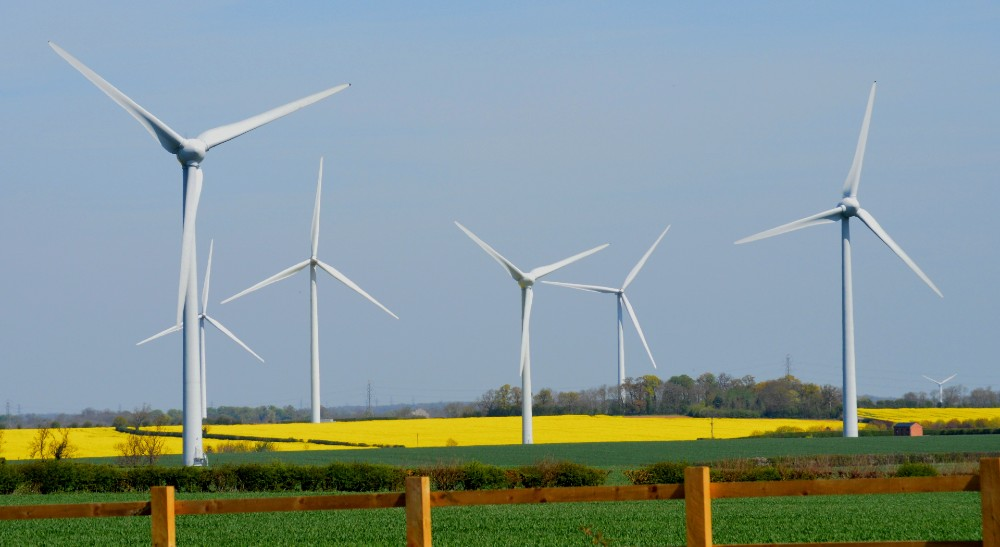
Anmol Rattan Singh and Dr Deepratan Singh The carbon credit, once a market abstraction introduced under Article 17 of the Kyoto Protocol’sClean Development Mechanism (CDM) (Article 12) in 1997, has now evolved into a potent globalinstrument for channeling investment into emissions mitigation. Broadly bifurcated intocompliance and voluntary mechanisms, carbon credit systems today serve as foundational […]

Read More »

Beyond the Border: Counting the Cost of the Attari-Wagah Route Closure

Shefali Saini Theories of international trade—from classical to modern—have consistently emphasised the benefits of trade in fostering economic growth. Among these, the Gravity Model of Trade posits that countries in closer geographic proximity are more likely to trade with one another. This is evident in India’s engagement with South Asian and Southeast Asian nations. Notably, […]

Read More »

Announcing summer internship @ PANJ

Be a part of PANJ’s research study and witness a research idea come to life – from data collection to policy proposals. Apply now to be a part of PANJ Foundation’s summer internship cohort! Write to us at info@panj.org.in with your CV and cover letter.

Read More »

Why Behaviour Matters More Than Bans: Reimagining Solutions to Stubble Burning

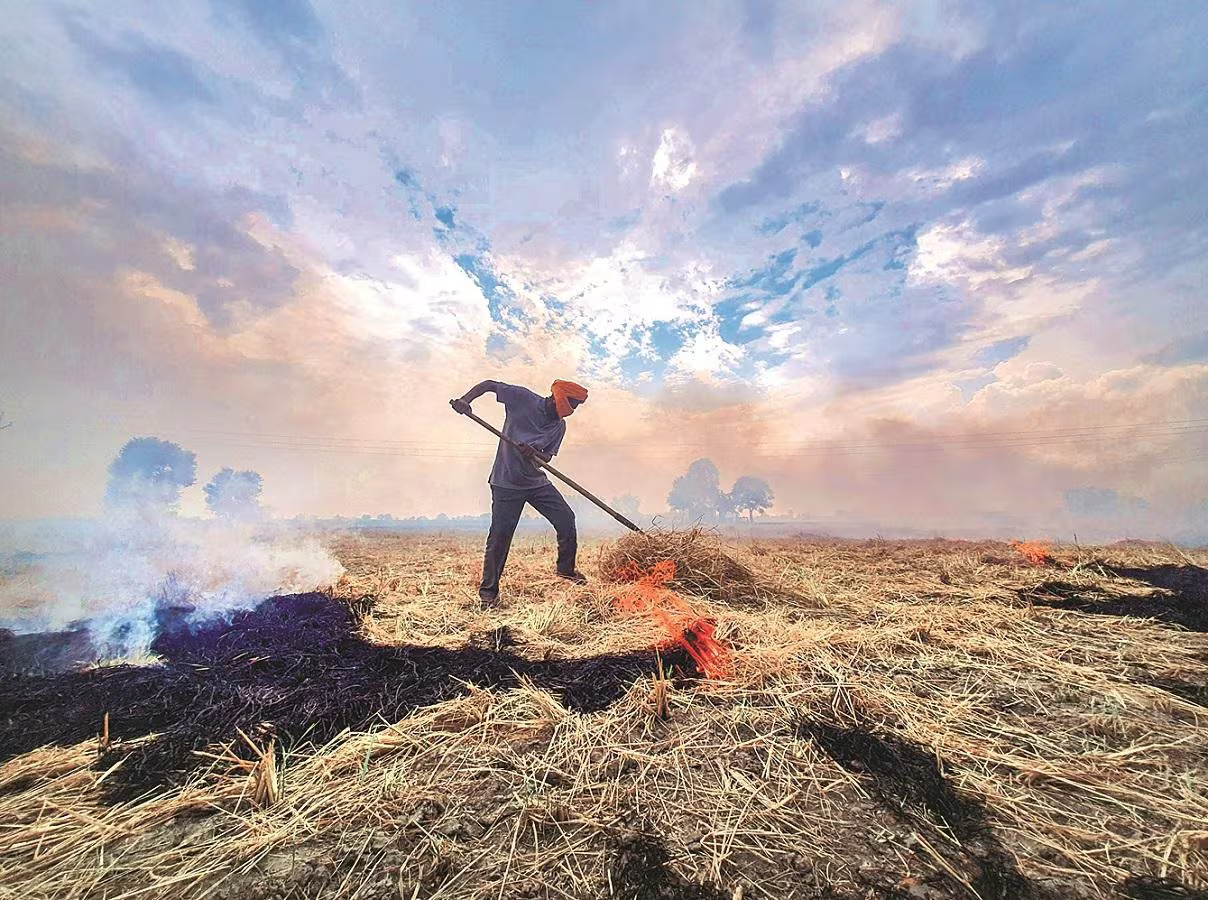
Durgesh Jha Conventional policy approaches are ineffective in tackling stubble-burning! A mix of regulations, bans, technology, and information often overlooks human behaviour, the problem’s core. Every winter, North Indian states are shrouded in smog, revealing a disconnect in our present strategies. We need to move beyond targeting structural or systemic factors in isolation and focus […]

Read More »

Statecraft: An Exclusive Club of Intellectuals and Public Leaders

Statecraft is a selection-based club established under the aegis of PANJ Foundation, committed to the cultivation of serious public leadership in Punjab. Statecraft offers a first-of-its-kind platform in Punjab: a discreet space for structured dialogue, rigorous reading, and long-term civic orientation. Punjab is at a pivotal moment—marked by economic stagnation, institutional weakening, and rising social […]

Read More »

Announcing the launch of Statecraft

We are excited to launch our flagship program — ‘Statecraft’ The program is designed to cultivate a vibrant community of young thinkers in Punjab, tackling the state’s critical gap in research and reflective dialogue. We believe that reading and research are the cornerstones of innovation, essential for uncovering solutions and bringing attention to urgent challenges. […]

Read More »

Kinnow: A policy analysis for the betterment of the cultivators

Kinnow, also known as the ‘King fruit of Punjab’, comes in the ‘Mandarin’ group of citrus fruits and is grown on a wide scale in India and Pakistan. It is a hybrid between two citrus cultivars namely ‘King’ (Citrus nobilis) and ‘Willow Leaf’ mandarin (Citrus deliciosa).  Dr. H.B. Frost created the fruit variety in 1915 […]

Read More »

Keeping electricity in Punjab’s discourse

Kriti Sharma The power industry in Punjab is at a crossroads where political, regulatory, and economic factors intersect. State power policies, such as free electricity programs and subsidies, have long been entwined with political dynamics, and have determined policy choices and election results. While the goal of these policies is to assist low-income households and […]

Read More »