Will Punjab’s land pooling pay off?

Agastya Shukla and Sirjan Kaur Governments across the world are fast adopting and experimenting with land pooling instead of acquisition policies. Land pooling is considered to be a better and viable option since it moves away from a compulsory standpoint and offers voluntary choice to the landholders. Literature has documented that pooling policies to also […]

Read More »
PANJ Primer | Power Sector

Read our latest #PANJPrimer on the state of affairs of Punjab’s power sector. This edition presents insights into the state’s sources of power, subsidies, regulatory scenario, and comparison with other states.

Read More »

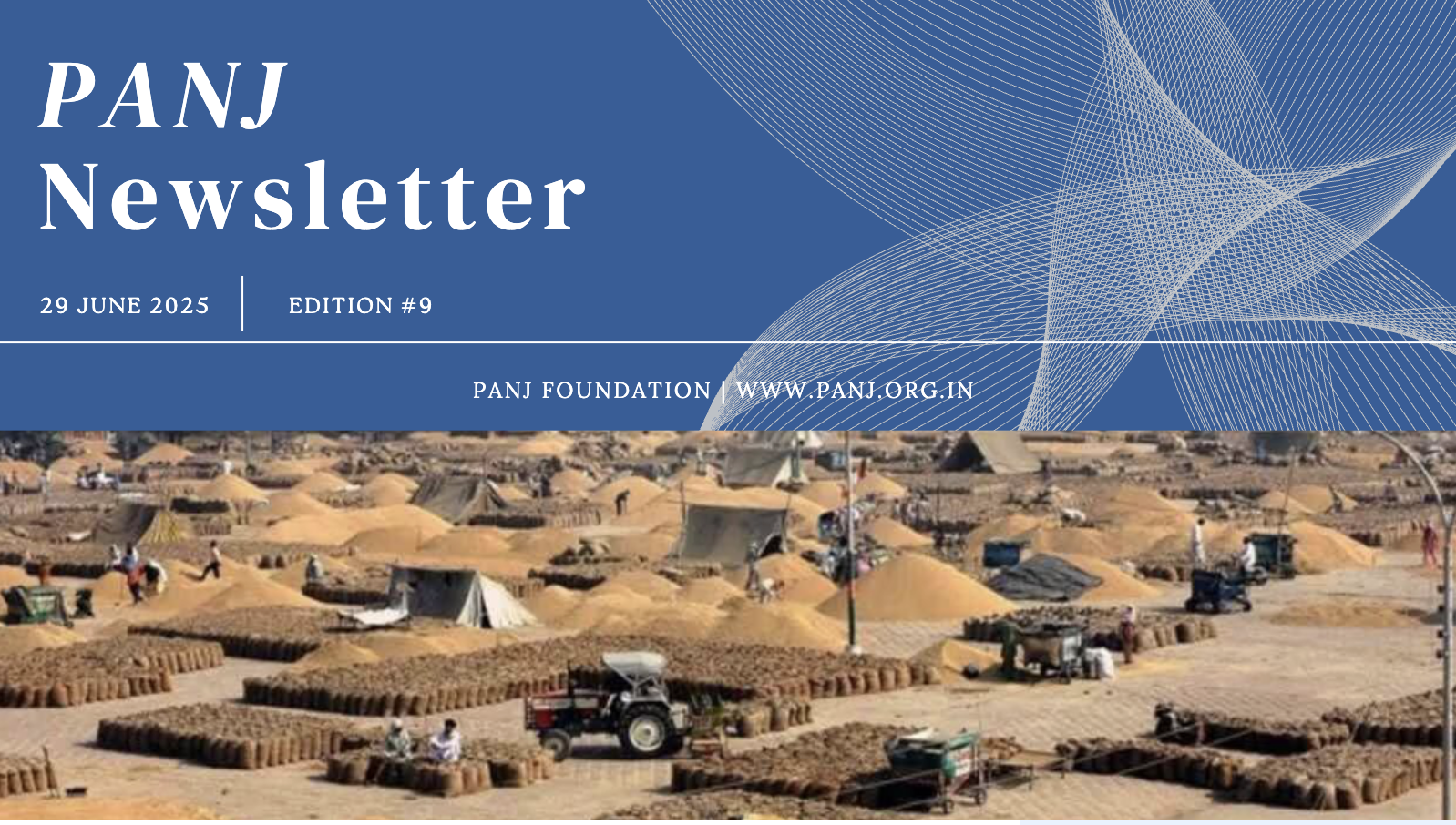
PANJ Newsletter | Edition #9

In the ninth edition of our newsletter, we present an opinion piece on women in STEM in Punjab, review seminal literature on enterprise informality in India, and some reading recommendations. In this edition of the newsletter, we are honoured to interview Prof. Sukhpal Singh (IIM-A) on the topic of Agricultural marketing in Punjab.

Read More »

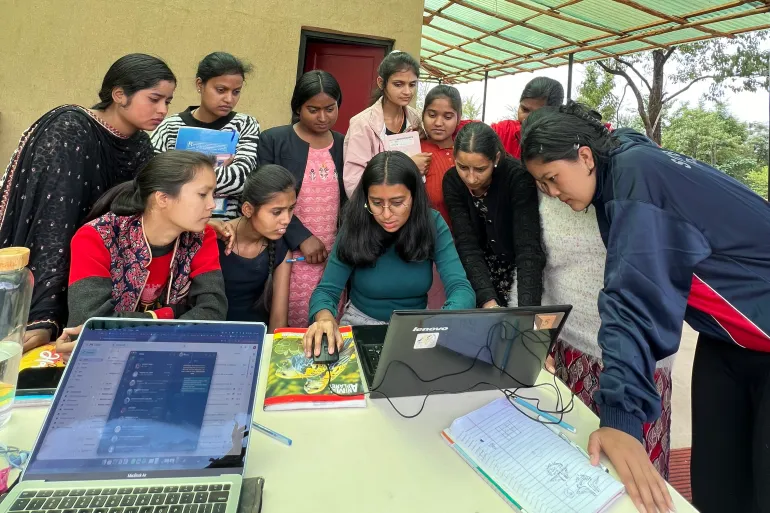
Women at the Heart of Punjab’s STEM Future

By: Manasvi Last year, a working paper titled ‘Relative Economic Performance of Indian States: 1960-61 to 2023-24’ prepared by the Economic Advisory Council to the PM highlighted that Punjab’s share in the GDP peaked at 4.4% percent during the 1960s because of the Green Revolution. But it has been declining since the 1990s and reached […]

Read More »

PANJ Primer | Health

Read our latest #PANJPrimer on the state of affairs of Punjab’s health sector. This edition presents insights into the state’s total and per capita health expenditure, policy landscape, and comparison with other states.

Read More »

Beyond the Stitch: What the India–UK FTA Reveals About Global Order

Dharminder Singh Kaleka In a world where multilateralism is retreating and global legal coherence is fraying, the freshly inked India–UK Free Trade Agreement offers a telling glimpse into what the future of international cooperation might look like. While much has been said about the tariff reductions and sectoral openings, the deeper significance of this bilateral […]

Read More »

PANJ Newsletter | Edition #8

In the eighth edition of our newsletter we present an opinion piece laying down measures for a climate conscious Punjab, review of seminal research on the Aspirational District Programme, and some reading recommendations. In this edition of the newsletter, we are privileged to interview Prof Lakhwinder Singh on the topic of ‘Human Capital and Innovation […]

Read More »

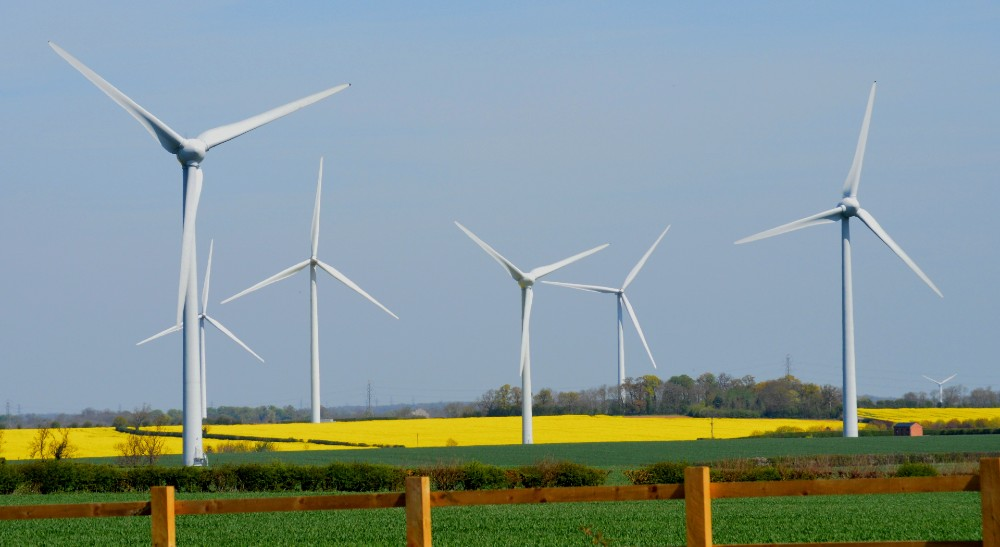
Aligning Punjab with the Emerging Logic of Climate Markets

Anmol Rattan Singh and Dr Deepratan Singh The carbon credit, once a market abstraction introduced under Article 17 of the Kyoto Protocol’sClean Development Mechanism (CDM) (Article 12) in 1997, has now evolved into a potent globalinstrument for channeling investment into emissions mitigation. Broadly bifurcated intocompliance and voluntary mechanisms, carbon credit systems today serve as foundational […]

Read More »

PANJ Primer | Fiscal management | Punjab

Read our latest #PANJPrimer on the state of affairs of Punjab’s fiscal management. This edition presents an analysis of the state’s revenue, expenditure, and fiscal deficit and also compares each with other states.

Read More »

Beyond the Border: Counting the Cost of the Attari-Wagah Route Closure

Shefali Saini Theories of international trade—from classical to modern—have consistently emphasised the benefits of trade in fostering economic growth. Among these, the Gravity Model of Trade posits that countries in closer geographic proximity are more likely to trade with one another. This is evident in India’s engagement with South Asian and Southeast Asian nations. Notably, […]

Read More »