Reconciling the Restraining and Mobilizing State in India
Anmol Rattan Singh and Agastya Shukla When the 2025 Nobel Prize in Economics was being awarded to Joel Mokyr, Philippe Aghion, and Peter Howitt for their seminal work on innovation-driven growth and creative destruction, the committee’s message was clear: economic growth cannot be taken for granted as it depends on the constant renewal of ideas, […]

Read More »
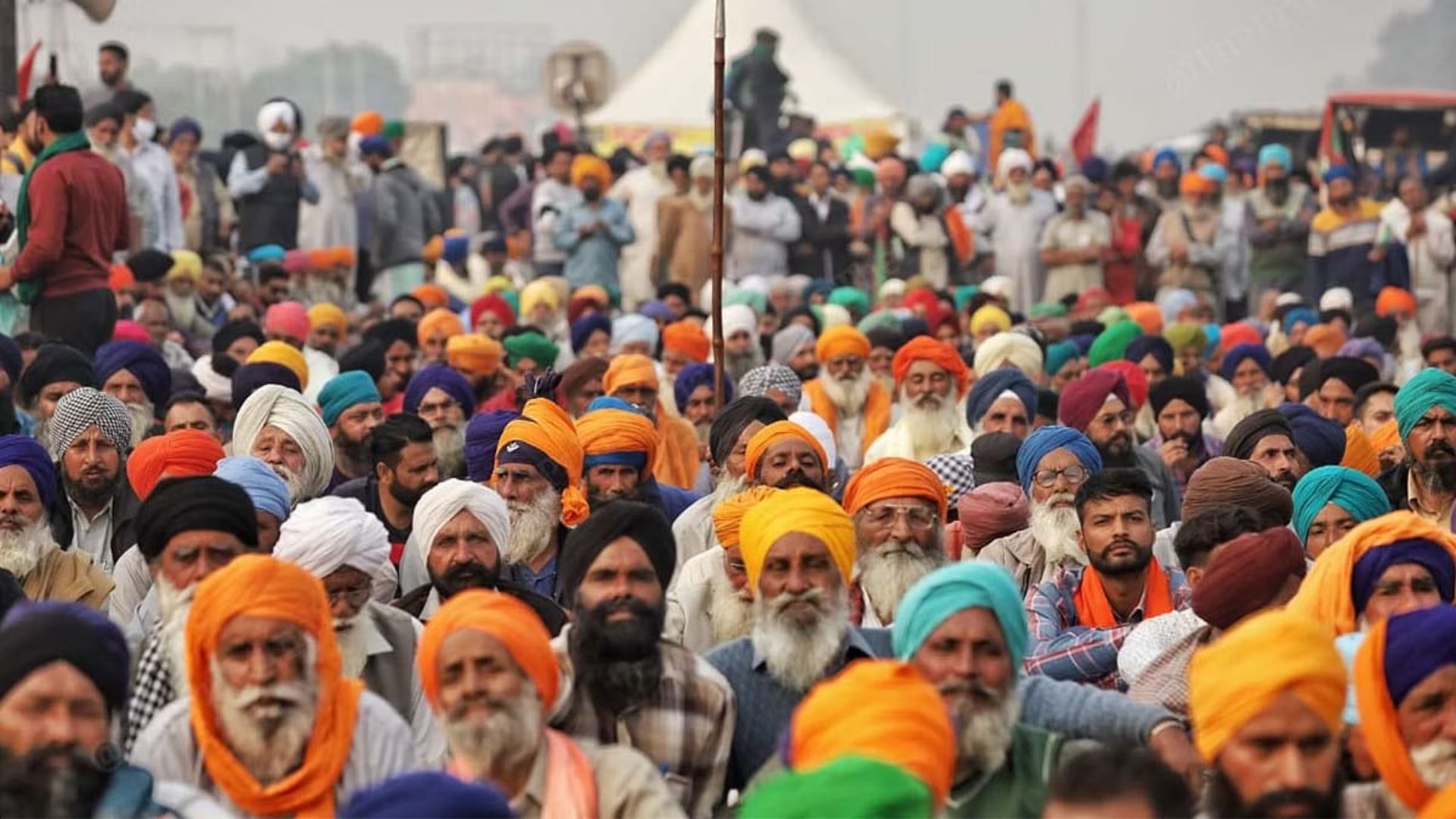
Punjab’s Farm Debt Trap Demands Credit Reform

Jasmeet Kaur Punjab’s fertile plains — once the pride of India’s Green Revolution — farmers now find themselves reaping a different kind of harvest: debt.  Loan waivers announced by the government frequently mark the headlines of the newspapers. But in reality, these waivers provide temporary relief to farmers but don’t act as a permanent solution […]

Read More »

PANJ Primer | Agricultural Marketing

Read our latest #PANJPrimer on Punjab’s agricultural markets. This edition presents insights into the state’s initiatives regarding agri markets, the regulatory overview, and comparison with other states.

Read More »

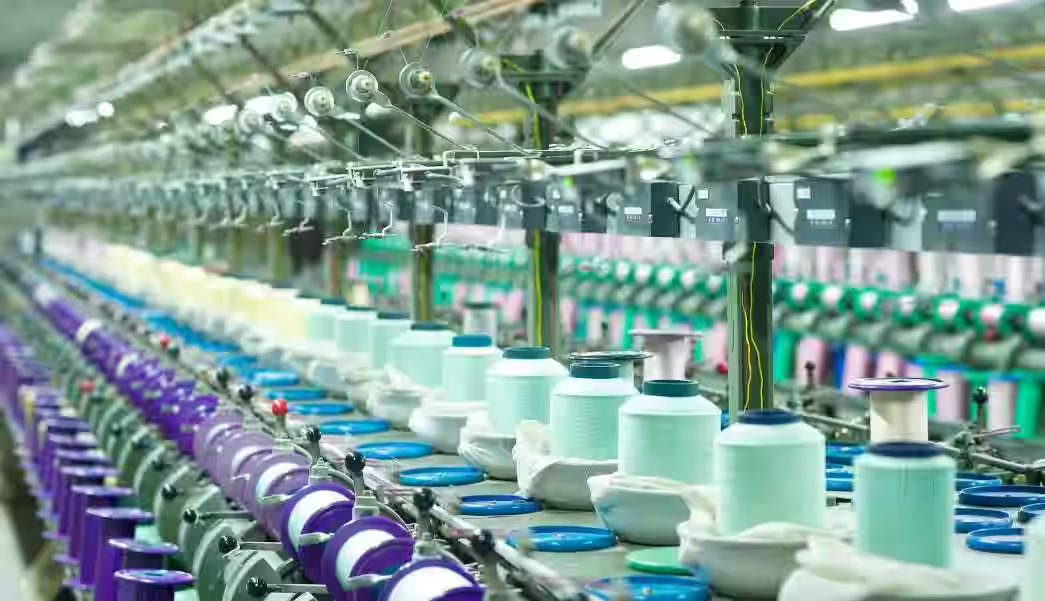
Punjab’s manufacturing crises is no accident

Sanjamdeep Singh and Ekjot Singh Once the industrial pride of northern India, Punjab is now witnessing its factories relocating to Himachal Pradesh, Haryana, Gujarat, and Uttar Pradesh. In two decades, Ludhiana’s hosiery and auto parts, and Mandi Gobindgarh’s steel mills have shifted due to cheaper power, easier land access, and smarter policies elsewhere. The impact […]

Read More »

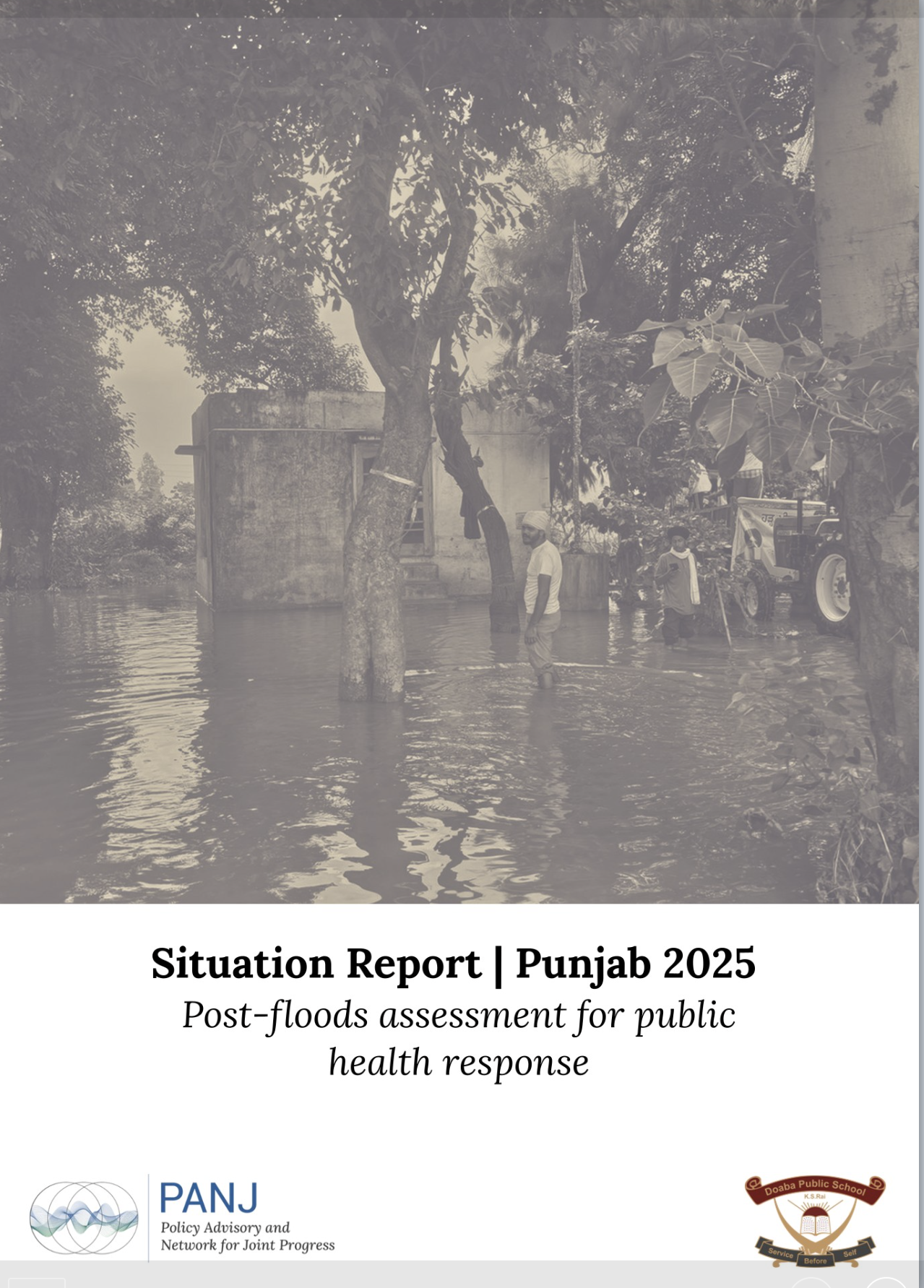
Situation report | Post-floods assessment for public health response

To ensure preparedness for an emerging public health emergency, PANJ Foundation in partnership with Doaba Public School, K.S. Rai, conducted a survey in the flood-affected villages/tehsils in districts of Gurdaspur and Amritsar. This initial report serves as a ready reckoner and a call for directing action and aid for necessary medical support to areas of […]

Read More »

Event | Charting Punjab’s Growth Strategy | 26 September 2025

We are pleased to announce our upcoming colloquium on ‘Charting Punjab’s Growth Strategy’. The colloquium will offer a dialogue that brings both fiscal discipline and developmental ambition into the same conversation. The esteemed speaker line up includes:•⁠ ⁠Mr Subhash Garg, IAS, Former Finance Secretary, Government of India•⁠ ⁠Prof Upinder Sawhney, Former Chair and Professor, Department of Economics, […]

Read More »

Punjab’s manufacturing crises is no accident

Ekjot Singh and Sanjamdeep Singh Once the industrial pride of northern India, Punjab is now witnessing its factories relocating to Himachal Pradesh, Haryana, Gujarat, and Uttar Pradesh. In two decades, Ludhiana’s hosiery and auto parts, and Mandi Gobindgarh’s steel mills have shifted due to cheaper power, easier land access, and smarter policies elsewhere. The impact […]

Read More »

Will Punjab’s land pooling pay off?

Agastya Shukla and Sirjan Kaur Governments across the world are fast adopting and experimenting with land pooling instead of acquisition policies. Land pooling is considered to be a better and viable option since it moves away from a compulsory standpoint and offers voluntary choice to the landholders. Literature has documented that pooling policies to also […]

Read More »

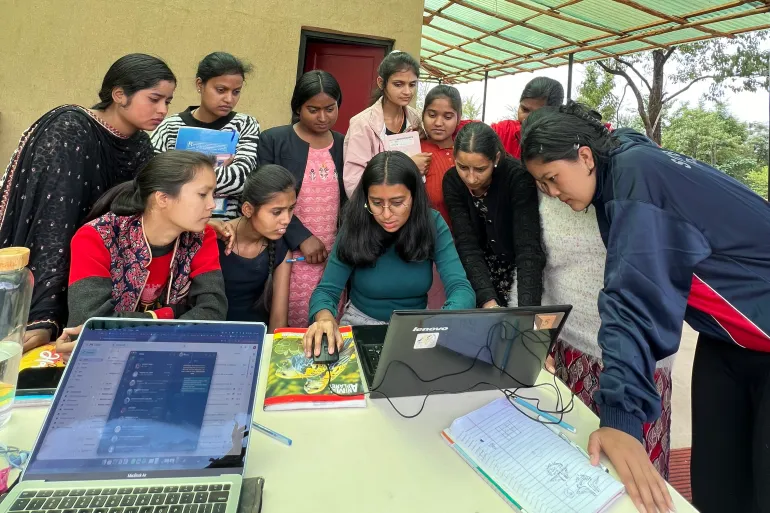
Women at the Heart of Punjab’s STEM Future

By: Manasvi Last year, a working paper titled ‘Relative Economic Performance of Indian States: 1960-61 to 2023-24’ prepared by the Economic Advisory Council to the PM highlighted that Punjab’s share in the GDP peaked at 4.4% percent during the 1960s because of the Green Revolution. But it has been declining since the 1990s and reached […]

Read More »

Beyond the Stitch: What the India–UK FTA Reveals About Global Order

Dharminder Singh Kaleka In a world where multilateralism is retreating and global legal coherence is fraying, the freshly inked India–UK Free Trade Agreement offers a telling glimpse into what the future of international cooperation might look like. While much has been said about the tariff reductions and sectoral openings, the deeper significance of this bilateral […]

Read More »